Şehit Cuma Dağ Tabiat Tarihi Müzesi
Official website
mta.gov.trAt a glance
- Operator
- Maden Tetkik ve Arama Genel Müdürlüğü
- Collection focus
- Geology, palaeontology, minerals, and natural history
About Şehit Cuma Dağ Tabiat Tarihi Müzesi
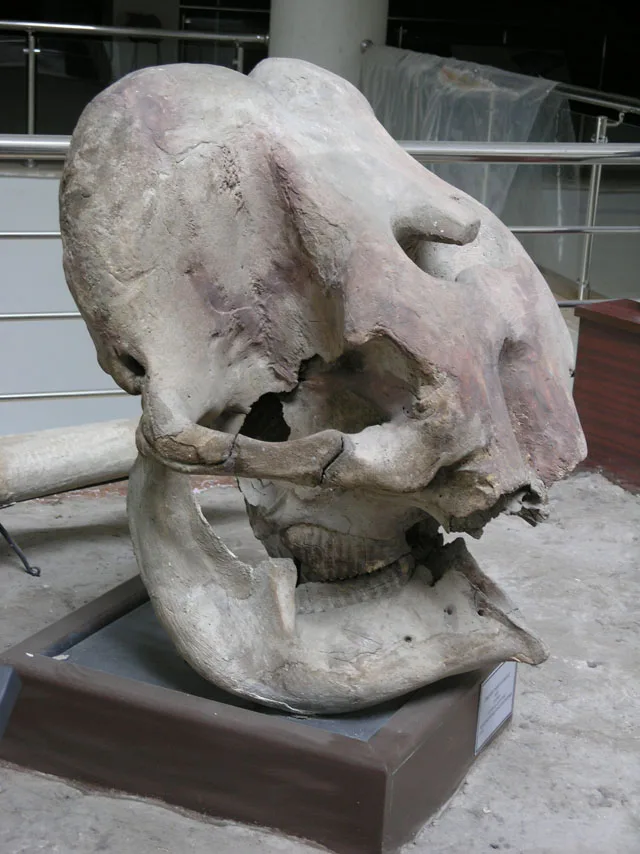
Run by the General Directorate of Mineral Research and Exploration (MTA), this is Türkiye's first and largest natural history museum, devoted to geology, palaeontology, mineralogy, mining and natural history. It grew out of the fossil, rock and mineral samples gathered on MTA field surveys from the early 1960s and opened on 7 February 1968 inside the directorate's headquarters. Work on a purpose-built museum began in 1998, the collection moved there in 2003, and after a period of closure the museum reopened to visitors in 2011. More than 5,000 specimens from Türkiye and around the world fill the halls. The palaeontology floor is the star: fossils of rhinoceroses, giraffes, carnivores, horses and elephant relatives, including the Maraş Elephant from about 3,500 years ago; the skeleton of a fin whale that died in the shallows off Yumurtalık in May 2002; giant ammonites around 185 million years old, mostly collected near Ankara and proof that the area was once sea; 13,000-year-old human footprints; and the lower jaw, teeth and limb bones of the giant rhinoceros Baluchitherium (Paraceratherium), the largest land mammal that ever lived, from MTA's own excavations in the Çankırı–Çorum basin. Behind the scenes, an archive holds more than 100,000 fossils. Dioramas bring Türkiye's threatened plants and animals to life, among them the last Anatolian leopard, found near Beypazarı in 1974, and the now-rare Angora rabbit. Other sections cover ornamental stones, Türkiye's underground resources, systematic mineralogy, meteorites, the history of mining and prehistory, alongside an aquarium added in 2019, a section for visually impaired visitors, a planetarium and a Science Tunnel opened in 2017. The MTA campus also holds the İhsan Ketin Turkish Geology Park, the country's first geology park, laid out as a giant geological map of Türkiye, and the Şehit Mehmet Alan Energy Park. Visitors enter through MTA's Yüzüncü Yıl Gate, and groups must book online in advance. Wheelchairs and pushchairs can be used inside, with free wheelchairs available from the information desk, and there is a gift shop on the ground floor.
Images
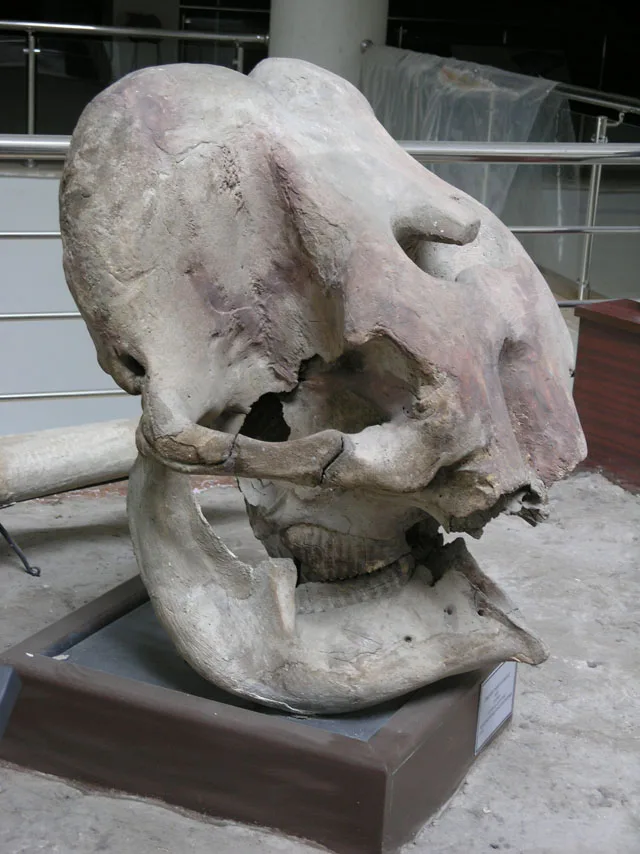
Image 1 of 1
Official sources
- Official websiteChecked 2026-08-29
- Official information pageChecked 2026-08-29
- Museum visitor address and education contact — MTAChecked 2026-10-15
- Photo: Linus Girdland-Flink, Ebru Albayrak, Adrian M. Lister — CC BY 4.0Checked 2026-10-16
- CC BY 4.0 — licence for the elephant-skull photographChecked 2026-10-16
- Wikipedia (Turkish) — MTA Şehit Cuma Dağ Tabiat Tarihi MüzesiChecked 2026-11-10
- MTA — Şehit Cuma Dağ Tabiat Tarihi Müzesi (current official page)Checked 2026-11-10
- MTA — Palaeontology sectionChecked 2026-11-10
Pass it on
Share this page
Send this Ankara guide to someone who will find it useful.