Roma Hamamı Ören Yeri
Official website
muze.gov.trAt a glance
- Operator
- Kültür ve Turizm Bakanlığı
- Collection focus
- Open-air remains of a Roman bath complex
About Roma Hamamı Ören Yeri
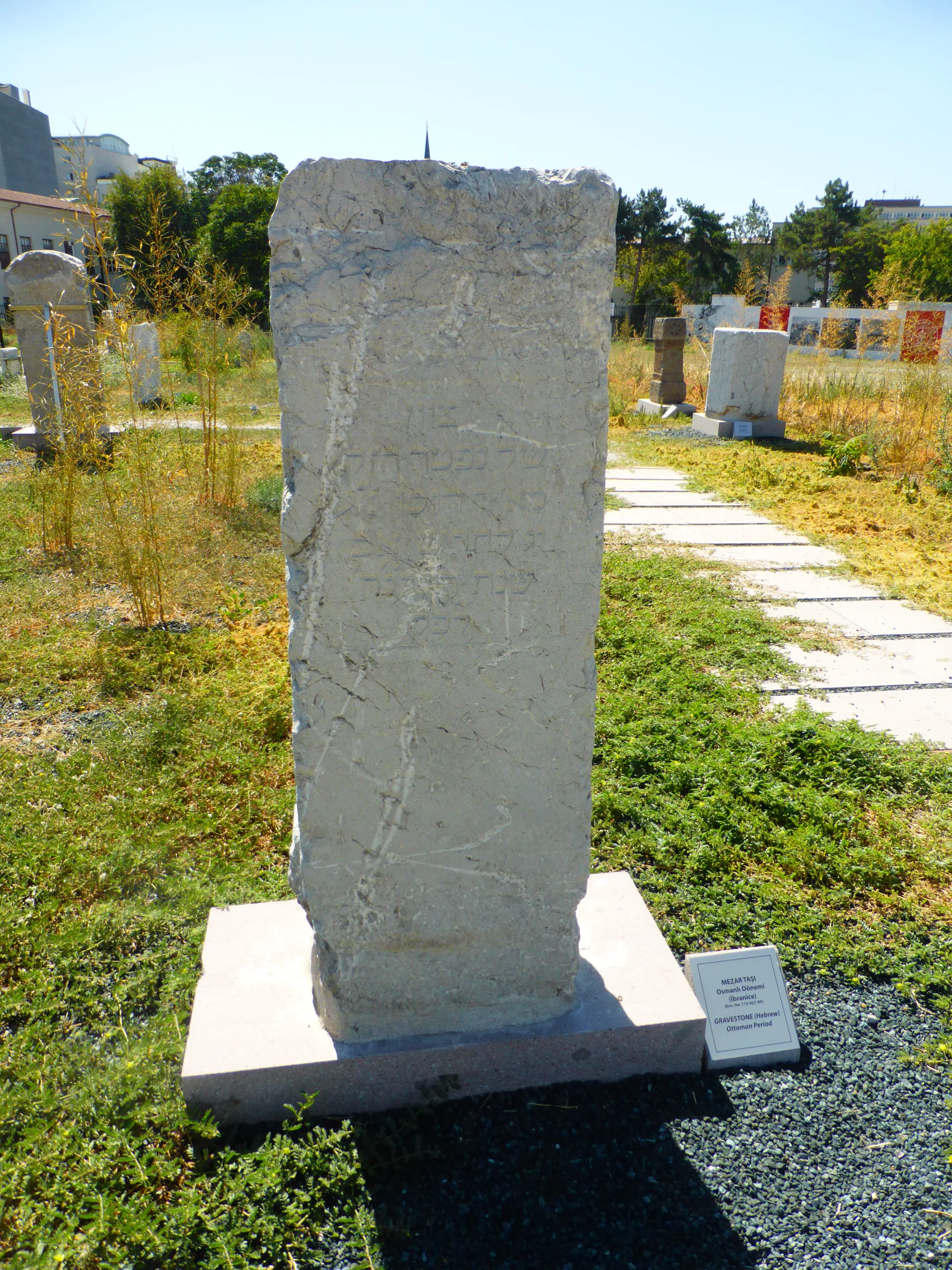
On a low mound beside Çankırı Caddesi, about 400 metres from Ulus, lie the remains of the great bath complex of Roman Ancyra, now an open-air museum. Ancyra, capital of the province of Galatia, stood at a crossroads between East and West, and coins and contemporary inscriptions found on the site date the baths to the reign of the emperor Caracalla (AD 212–217). The inscriptions name Tiberius Julius Justus Junianus, a prominent citizen, as responsible for the building, and later coins show the baths stayed in use, with repairs from time to time, for about 500 years. They are popularly known as the Baths of Caracalla. The mound itself is an ancient settlement. Prof. Dr. Remzi Oğuz Arık's 1937 dig found Phrygian remains at its base, and excavations led by Hamit Z. Koşay, with field director Necati Dolunay and funding from the Turkish Historical Society, uncovered the bath buildings in 1938–1939 and fully exposed them in 1940–1943. You enter from Çankırı Caddesi into the palaestra, the wrestling court, once framed by a portico of 128 marble columns, 32 on each side. Today the court is an open-air gallery of tombstones, altars and inscriptions from the late Hellenistic, Roman and Byzantine periods. Behind it lie the apodyterium (changing room), frigidarium (cold room), tepidarium (warm room) and caldarium (hot room). The warm and hot rooms are unusually large, no doubt popular during Ankara's cold winters, and the most striking survivals are the rows of brick pillars that held up their floors while hot air from underground furnaces circulated beneath, fed through tunnels and linked passageways. Beside the baths, a stretch of the colonnaded street that ran from ancient Ancyra's sacred precinct around the Temple of Augustus has also been uncovered; its grey-veined marble columns with Corinthian capitals date from the second or third century AD.
Images
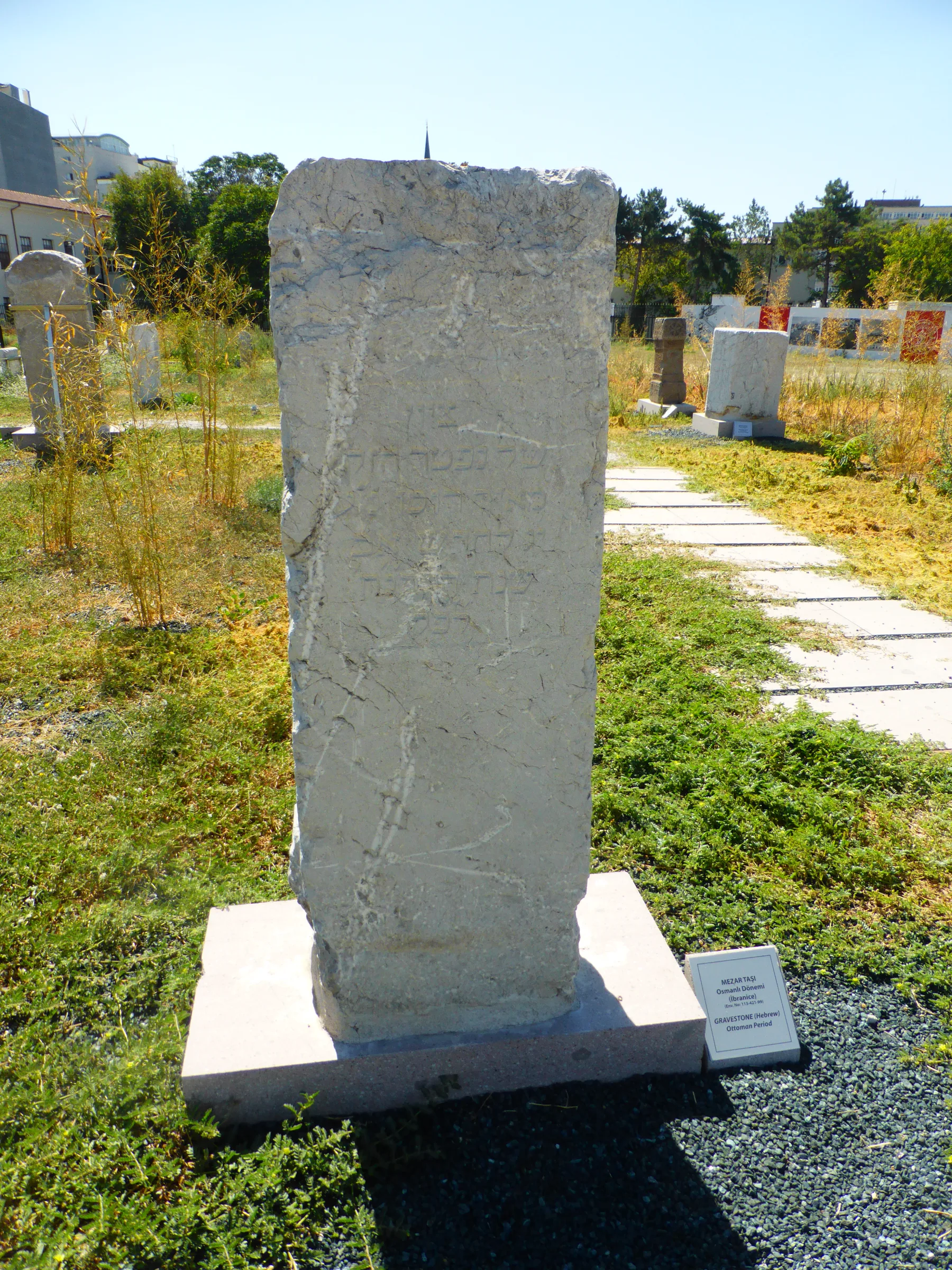
Image 1 of 7
Official sources
- Official websiteChecked 2026-08-29
- Official information pageChecked 2026-08-29
- Ministry of Culture and Tourism — Roman BathsChecked 2026-10-15
- Visit Ankara — Roma HamamıChecked 2026-10-15
- Service tunnel photo — Nosferatü, public domainChecked 2026-10-19
- Water storage photo — Nosferatü, public domainChecked 2026-10-19
- Ministry of Culture and Tourism - Roman Baths locationChecked 2026-10-19
- Photo: Ankara Thermen12.jpg — Ingeborg Simon — CC BY-SA 3.0Checked 2026-11-10
- Wikipedia (English) — Roman Baths of AnkaraChecked 2026-11-10
Pass it on
Share this page
Send this Ankara guide to someone who will find it useful.