Gordion Müzesi ve Ören Yeri
Official website
muze.gov.trAt a glance
- Operator
- Kültür ve Turizm Bakanlığı
- Collection focus
- Phrygian Gordion and finds from the archaeological site
About Gordion Müzesi ve Ören Yeri
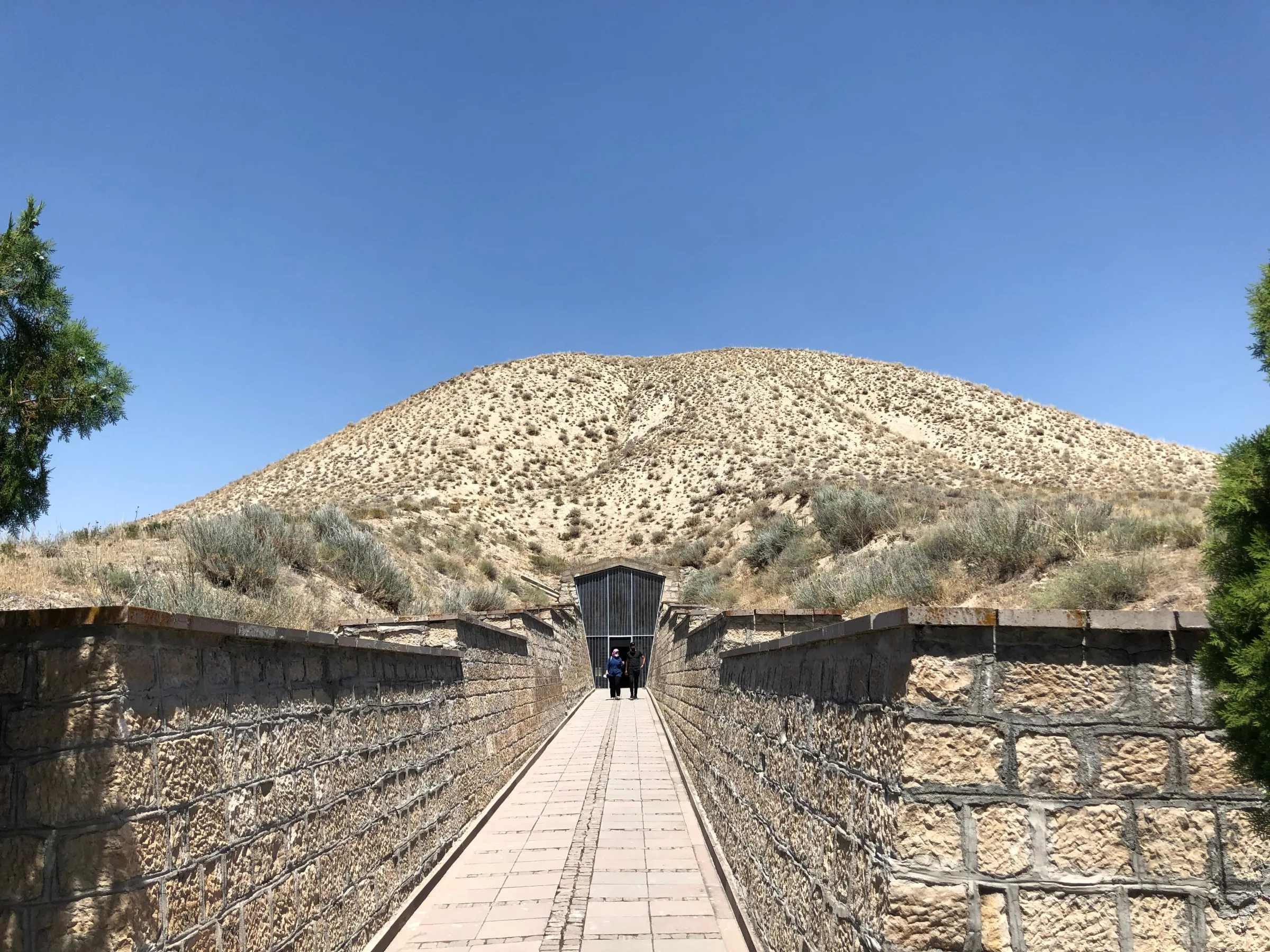
Some 70-80 km south-west of Ankara, beside the village of Yassıhöyük in Polatlı, lies Gordion, capital of ancient Phrygia and royal seat of King Midas. Inscribed as a UNESCO World Heritage Site in 2023, it stands where the Sakarya and Porsuk rivers meet and was lived in from the Early Bronze Age (around 2300 BC) to the 4th century AD, and again in the 13th and 14th centuries. According to ancient tradition, it was here in 333 BC that Alexander the Great cut the Gordian Knot, which a local prophecy said only the future ruler of Asia could loosen. The landscape is studded with more than a hundred burial mounds from the 9th to the 6th centuries BC. The greatest, Tumulus MM (the Midas Mound), still rises over 50 metres with a diameter of about 300 metres. Built around 740 BC, it was excavated in 1957 by the University of Pennsylvania team led by Rodney Young, who found a royal burial in an open log coffin surrounded by bronze vessels, fibulae and remarkably preserved inlaid wooden furniture; it is now generally thought to be the tomb of Midas's father, Gordias. A stone-walled passage leads in to the timber burial chamber, seen through protective bars. On the Citadel Mound, a destruction level of around 800 BC, with its Early Phrygian gate and buildings, is a key chronological marker for the whole region. The Gordion Museum, founded in 1963 and expanded in the 1990s with stores, a laboratory and an information hall, presents finds from the excavations and the Polatlı area in chronological order, and was a finalist for European Museum of the Year in 2000. Look for pottery with Phrygian inscriptions and stamps, Phrygian architectural terracottas, reliefs and figurines of Cybele, and graves from Polatlı Höyük illustrating the burial customs of the Hattians. A Galatian tomb and Phrygian and Roman mosaics are displayed in the garden. Gordion is reached by the Ayaş-Polatlı road.
Images
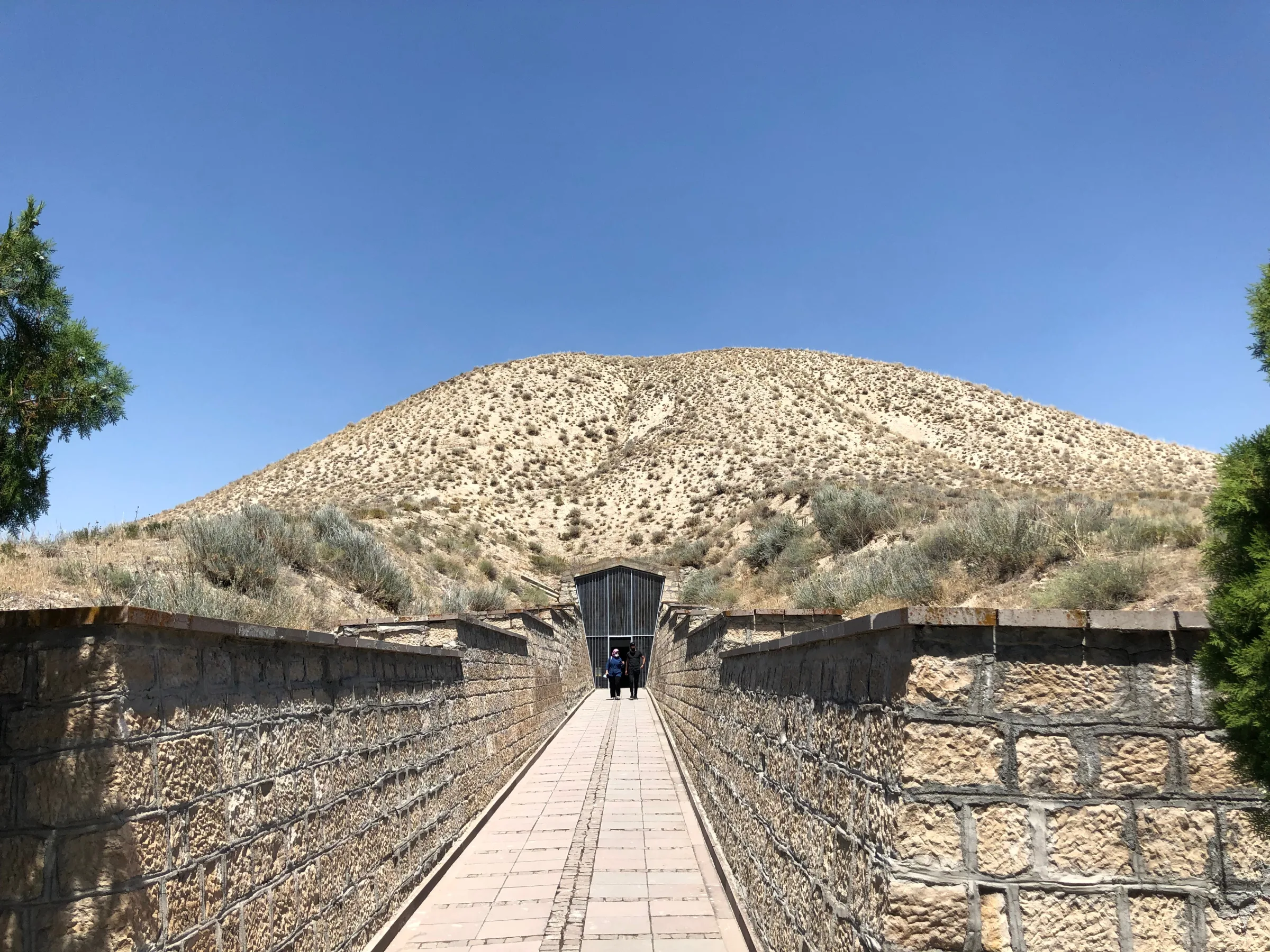
Image 1 of 18
Official sources
- Official websiteChecked 2026-08-29
- Official information pageChecked 2026-08-29
- Ministry of Culture and Tourism — Gordion MuseumChecked 2026-10-15
- Kültür Portalı — Gordion MüzesiChecked 2026-10-15
- Dosseman (Dick Osseman) — Gordion ivory fragment, CC BY-SA 4.0; metadata removedChecked 2026-10-16
- Raicem — Tomb of Midas interior (2021), CC BY-SA 4.0; metadata removedChecked 2026-10-16
- Photo licence — CC BY-SA 4.0 (Raicem interior and Dosseman ivory fragment)Checked 2026-10-16
- Dosseman — winged ivory fragment (2012), CC BY-SA 4.0Checked 2026-10-17
- Dosseman — painted Phrygian mixing bowl (2012), CC BY-SA 4.0Checked 2026-10-17
- Gordion demir aletler — Dosseman, CC BY-SA 4.0Checked 2026-10-17
- Gordion seramik vitrini — Dosseman, CC BY-SA 4.0Checked 2026-10-17
- Dosseman — Gordion clay building decoration (2012), CC BY-SA 4.0Checked 2026-10-18
- Dosseman — Gordion seal and modern impression (2012), CC BY-SA 4.0Checked 2026-10-18
- Dosseman — Gordion carved stone lion (2012), CC BY-SA 4.0Checked 2026-10-19
- Dosseman — Gordion pottery fragment with flute player (2012), CC BY-SA 4.0Checked 2026-10-19
- Dosseman — Gordion relief of Matar (2012), CC BY-SA 4.0Checked 2026-10-19
- Wikipedia (English) — GordionChecked 2026-11-10
- UNESCO World Heritage Centre — GordionChecked 2026-11-10
Pass it on
Share this page
Send this Ankara guide to someone who will find it useful.