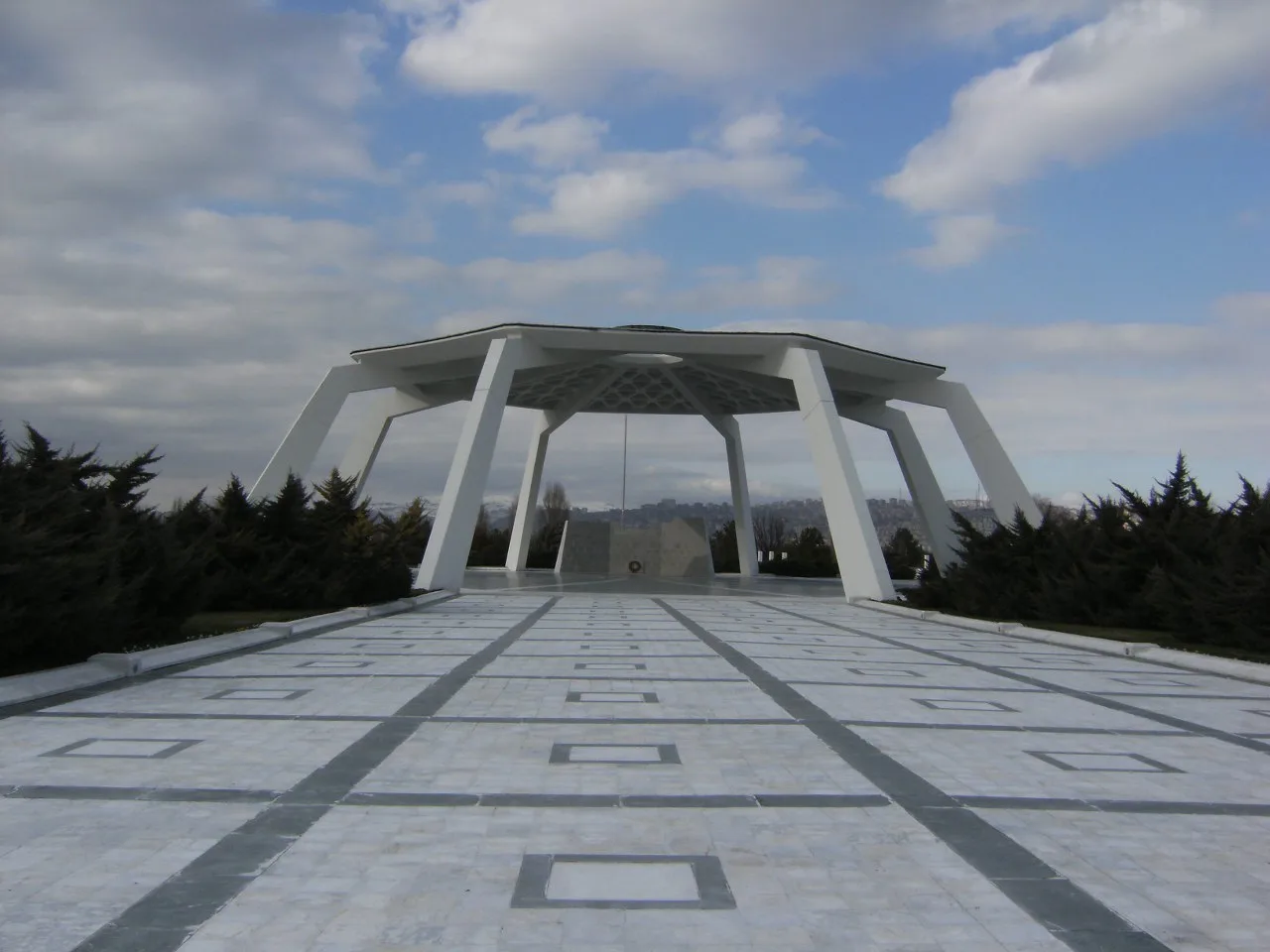
Devlet Büyükleri Anıt Mezarlığı
About Devlet Büyükleri Anıt Mezarlığı
The Devlet Büyükleri Anıt Mezarlığı, often called the State Cemetery (Devlet Mezarlığı), is the memorial cemetery where presidents of the Turkish Republic, commanders of the War of Independence, speakers of the Grand National Assembly and prime ministers are buried. It is run by the Ministry of National Defence and sits on a hill overlooking Ankara within the grounds of the Atatürk Forest Farm (Atatürk Orman Çiftliği), covering about 536000 square metres. The cemetery was provided for by a law of November 1981. The design, by architect Özgür Ecevit with landscape architect Ekrem Gürenli, was chosen in a 1982 ministry competition from 42 entries, and the cemetery opened with a state ceremony on 30 August 1988. According to Turkish Wikipedia the design deliberately avoided ostentatious tombs and a mournful atmosphere. A 2006 change in the law allowed prime ministers and Assembly speakers to be buried here as well. Inside the grounds, the Cumhuriyet Tarih Yolu (Republic History Path) uses sculpture and symbols in marble to retell events from 19 May 1919 to the founding of the Republic; the sculptures are by Prof. Dr. Rahmi Aksungur and a team of sculptors. The ceremonial area has an eight-sided canopy and a memorial wall of names that grows with each new president. The cemetery museum displays belongings, pictures and publications of the presidents and independence war commanders buried here. The Karadeniz Havuzu, a pool built in 1931 on Atatürk's orders, was restored during construction and is used as a resting spot. The Ministry of National Defence says the cemetery is open to the public during daytime every day of the week, including weekends and official and religious holidays.
Images
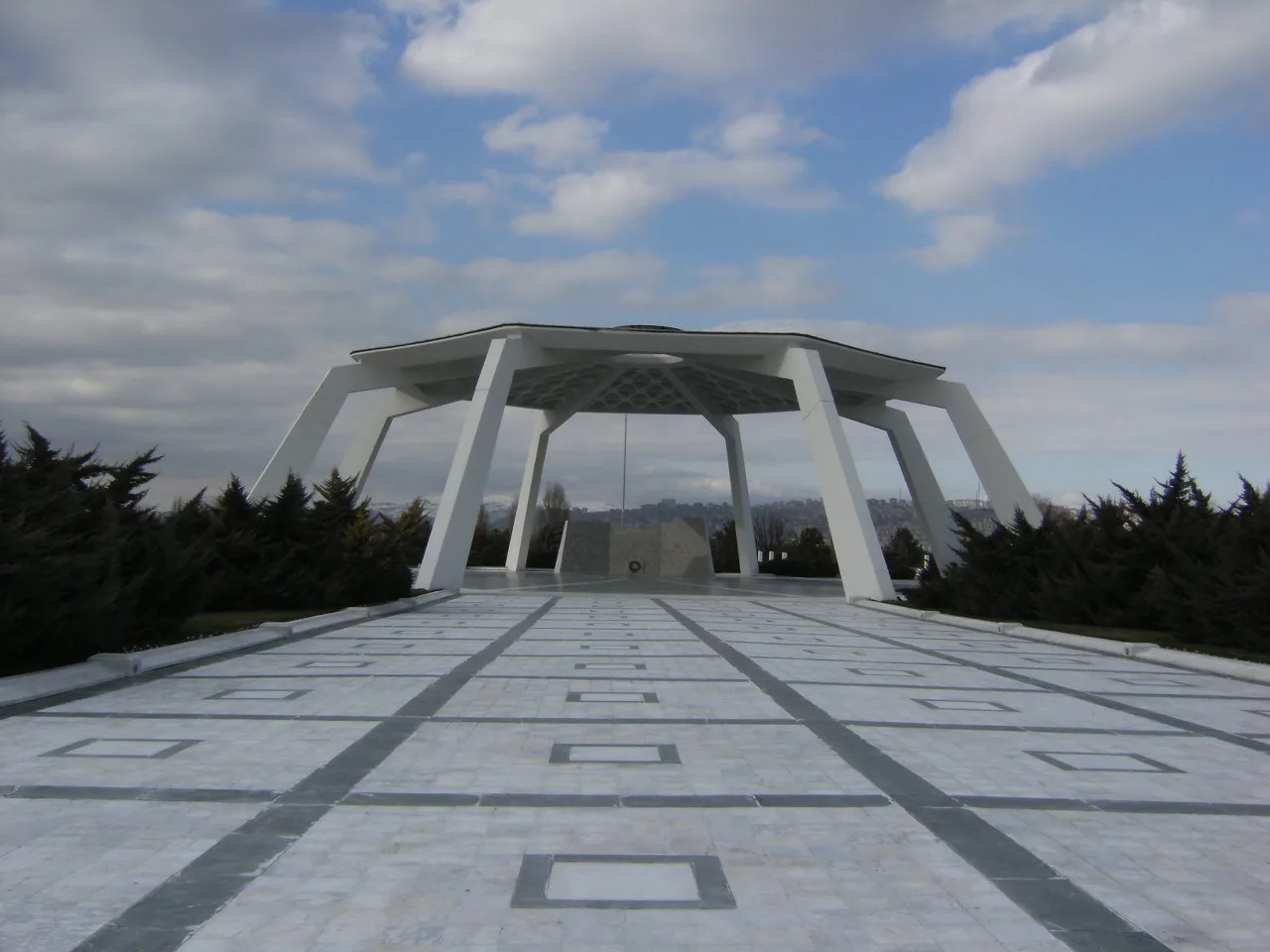
Image 1 of 3
Official sources
- Ministry of National Defence - Devlet Buyukleri Anit MezarligiChecked 2026-11-11
- Wikipedia (Turkish) - Devlet MezarligiChecked 2026-11-11
Pass it on
Share this page
Send this Ankara guide to someone who will find it useful.