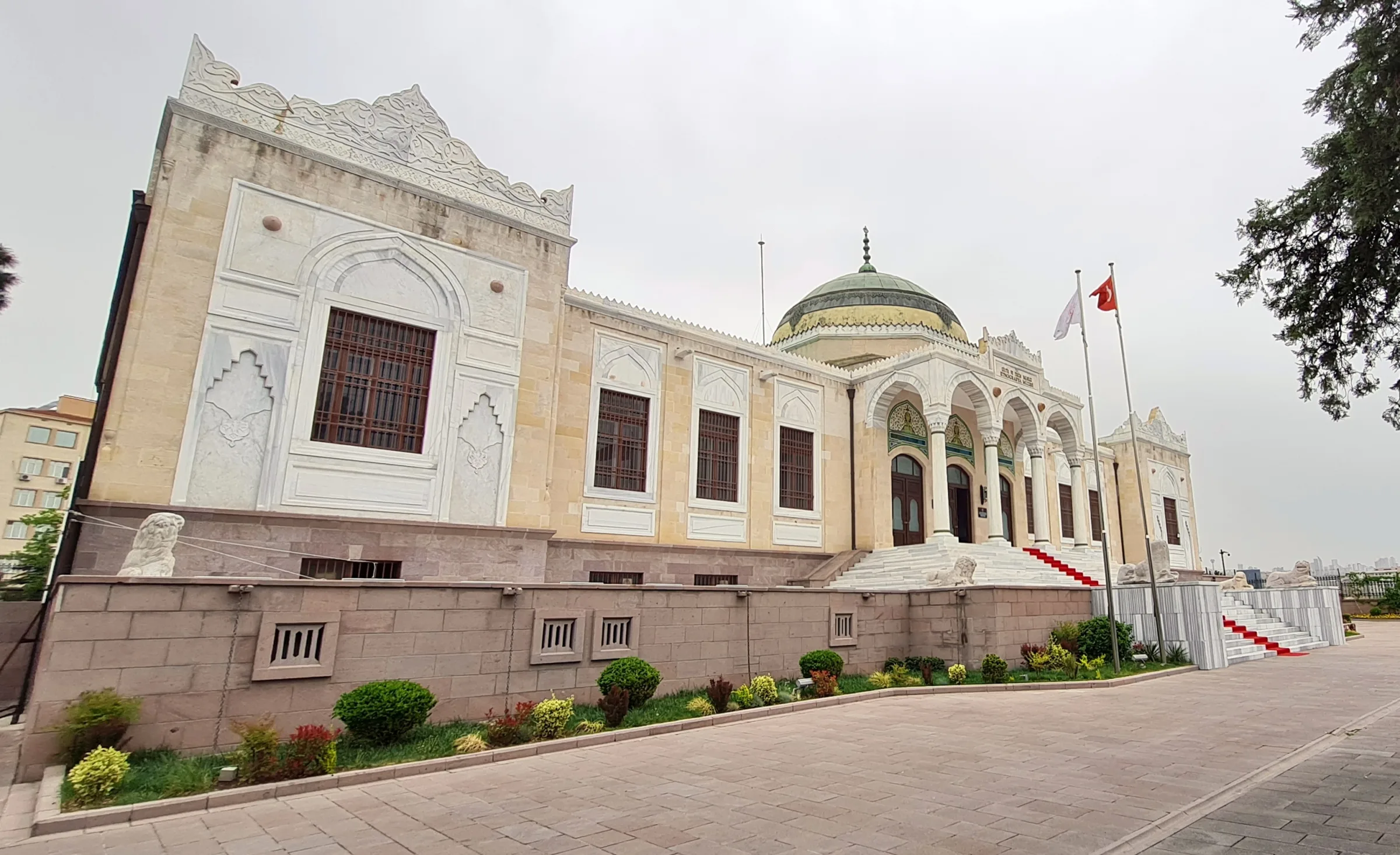
Ankara Etnografya Müzesi
Official website
muze.gov.trAt a glance
- Operator
- Kültür ve Turizm Bakanlığı
- Collection focus
- Turkish ethnographic objects and traditional arts
About Ankara Etnografya Müzesi
In the Opera quarter of Ulus, the domed Ankara Ethnography Museum (Ankara Etnografya Müzesi) was one of the first national museums built by the young Turkish Republic, and remains one of the city's most atmospheric. Its building, begun in 1925, was designed by the architect Arif Hikmet Koyunoğlu. The museum's first director, Hamit Zübeyr Koşay, was appointed in 1927, Afghanistan's King Amanullah Khan toured the halls in May 1928, and the museum opened to the public on 18 July 1930. The building has a moving chapter in its history: from 21 November 1938 until 10 November 1953 the entrance hall served as the temporary tomb of Atatürk, until his remains were moved to Anıtkabir. The spot is still preserved as a symbolic memorial area in his honour. Today nine permanent galleries and a temporary exhibition hall take you through Turkish craft and daily life from the Seljuk, Beylik and Ottoman periods. The wooden art gallery is the highlight, with carved doors, mihrabs and minbars; Wikipedia lists among its treasures a 13th-century throne of the Seljuk sultan Kaykhusraw III and the 12th-century minbar of the Siirt Grand Mosque. Other rooms are devoted to Hacı Bayram-ı Veli and Sufi objects, manuscripts and calligraphy, arms and armour, tiles, a recreated Ankara house, ceramics, glass and metalwork, carpets and kilims from weaving centres such as Uşak, Gördes, Bergama and Ladik, and jewellery and clothing. The museum is open every day. The Ankara Painting and Sculpture Museum is its immediate neighbour, so the two make an easy pairing.
Images
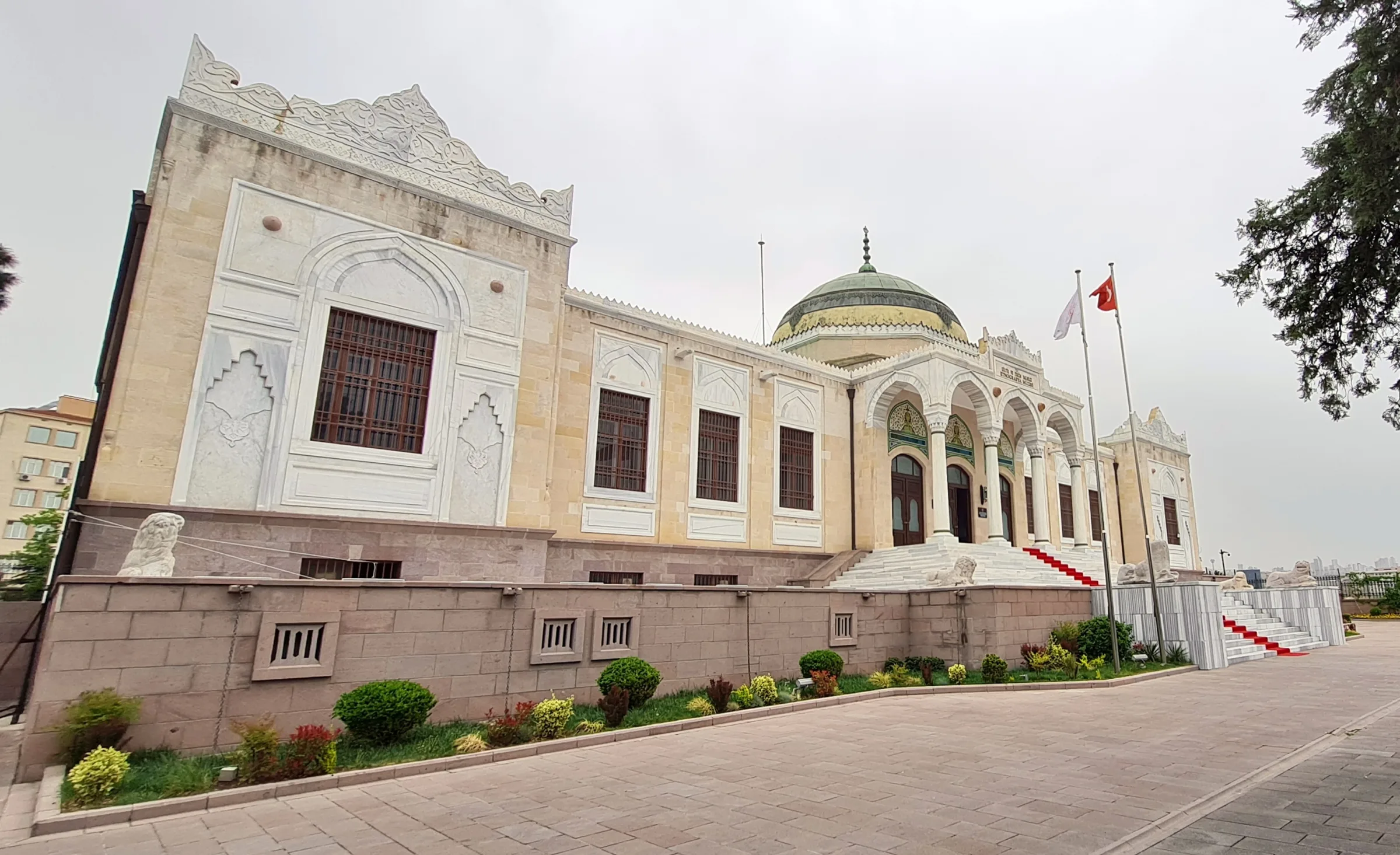
Image 1 of 8
Official sources
- Official websiteChecked 2026-08-29
- Official information pageChecked 2026-08-29
- Kültür ve Turizm Bakanlığı — Ankara Etnografya MüzesiChecked 2026-10-16
- Wikipedia (English) — Ethnography Museum of AnkaraChecked 2026-11-10
Pass it on
Share this page
Send this Ankara guide to someone who will find it useful.